
An increasing number of U.S. and other foreign manufacturers are considering Mexico as part of their strategy to expand production in the new year. This continuous shift has made it more challenging to secure industrial space and qualified talent to support these endeavors. Companies must start moving quickly to secure a competitive space in the market.
 As of November 2022, 87% of Mexico’s imports come from manufactured products. And, in 2023, nearshoring will continue to boost Mexico’s economy as new foreign direct investments are made. In turn, manufacturing in Mexico will help U.S. companies combat rising manufacturing costs and the struggle to find the skilled labor necessary for production.
This is one of many reasons why U.S. manufacturers have decided to reshore production from China to Mexico over the past several years. The proximity between the U.S. and Mexico carries multiple advantages that China simply can’t compete with.
To get ahead in 2023 means Mexico manufacturing will play an even larger role in U.S. production.
Here are areas where companies benefit most.
Product volume is increasing, which subsequently leads to an increase in transportation costs as well. Cargo shipments from China cost thousands of dollars and take several weeks for delivery. Whereas, when manufacturing in Mexico, shipments can often occur same-day with significant logistical cost savings.
This is advantageous for American companies shipping heavy-duty machinery, heavy and/or bulky products, and large, customized orders. For instance, metal fabrication is a sector where it makes more sense to nearshore to Mexico versus offshoring to China. This industry may include companies that produce heavy automotive trailers which are cumbersome and costly to ship when produced overseas.
Another example is a company manufacturing metal products that require custom painting, welding, and specialized features. It requires heavily skilled technical workers who can accommodate their complex manufacturing needs. The labor force in China is more accustomed to high-volume, low-mix types of products. It can be difficult to source employees with the right skill set and experience to complete the project. Whereas, Mexico has a long-held commitment to the manufacturing industry and training workers for various roles.
In addition to Mexico’s industrial talent compared to China, projections about the decline in U.S. industrial labor are also causing manufacturers to consider nearshoring. As of October 2022, there were 746,000 monthly manufacturing job openings in the U.S. Whether it’s because workers no longer want to apply for these types of roles or do not have the adequate skills necessary, it continues to widen the gap in workforce availability.
Reduced transportation and labor costs are two of the main advantages of Mexico manufacturing. However, as U.S. and other foreign manufacturers expand their portfolios, they also benefit from Mexico’s IMMEX program. The IMMEX program exempts foreign manufacturers from the 16% VAT tax applied on all imported tools, goods, and machinery needed for production; and those who work with a shelter company can reap this tax benefit right away.
Many times companies may be ready to expand but are unsure of everything they’ll need to operate in a foreign country. Working with a shelter company also offers a unique competitive advantage. A shelter handles all administrative tasks and responsibilities necessary to launch production which frees up time for leaders to focus on their daily operations.
A shelter helps to reduce the learning curve and ensure everything complies in accordance with Mexican law. It also minimizes risk and liability while reducing operational costs. Startup time can begin in as little as three to four months compared to six to seven months when setting up a new legal entity. However, if all factors align and manufacturers are quick with their decision-making, it can take as little as eight to ten weeks.
Though China was once the premier trade partner for the U.S., times have changed. China is no longer the most convenient or cost-effective for complex manufacturing needs. Furthermore, supply chain shutdowns during the pandemic and the after-effects of the U.S./China trade war have hindered its value and reliability.
These issues, in addition to intellectual property (IP) disputes, have caused many U.S. manufacturers to grow wary when outsourcing production to China. On the other hand, the USMCA has secured trade relations between the U.S., Mexico, and
Canada with special regulations for IP protection, specifically.
When deciding the most optimal strategy, a shelter company such as IVEMSA can provide options based on your specific project needs. We align with the professional values and business culture of our partnerships and take pride in the experience we provide.
Sources:
https://tradingeconomics.com/mexico/imports
https://www.statista.com/statistics/872834/monthly-job-openings-in-the-united-states-by-industry/
 Manufacturing in Mexico has been a significant global strategy for the past several decades. However, recent shifts in the economy have resulted in a spike in growth, particularly due to manufacturers moving their operations from China to Mexico. The effects of the COVID-19 pandemic illustrated how fragile a sole reliance on trade in China has become. Additionally, with the increase in production levels and costs, the advantages of trade with China are no longer as alluring as they once were.
Instead, U.S. manufacturers are reaping the benefits of nearshoring to Mexico, such as the close proximity, lower cost of labor, and secure supply chains. The main sectors increasing their presence include:
The automotive sector is already one of the most significant industries in Mexico. It makes up more than 3.5% of the nation’s GDP. Also, 90% of vehicles produced in Mexico are exported; 76% to the U.S. The country has been a leading supplier of automotive parts and components on a global scale and maintains maquiladoras for Volkswagen, Audi, Toyota, Nissan, Ford, Mercedes-Benz, and Kia, among others.
In addition, the United States-Mexico-Canada Agreement (USMCA) states that 75% of automotive content must originate in North America. This further solidifies a favorable trade relationship between the U.S. and Mexico in this sector. Most production takes place along the northern border of Mexico in Monterrey, Ciudad Juárez, and Hermosillo. However, expansion to other regions of the country, including Jalisco, Queretaro, Puebla, and Merida is on the rise. Though not as heavily saturated as the border region, these areas have the infrastructure, labor, and transportation in place to continue expanding at a steady rate.
Aerospace is also a significant sector in Mexico with industrial clusters already established in Baja California, Sonora, Nuevo Leon, Queretaro, and Chihuahua. Each area has its own specialization and a strong supply chain. Total exports from Mexico to the U.S. equal an estimated $4 billion USD as of 2022. This represents purchases for aviation and military-related products, specifically, and does not include the additional foreign direct investment for airport construction products and services.
The USMCA has also encouraged development in this sector due to enhancements in intellectual property protections. The agreement assures transparency and patent protection for technological innovations through regulatory measures. This level of security has been a challenge for U.S. manufacturers operating in China in the past, causing many to move their production to Mexico as a result.
Medical devices and supplies are one of the leading sub-sectors in Mexico’s overall healthcare sector. In 2021, $5.9 billion was imported to Mexico in this category and continues to represent a growing market. Baja California, in particular, has been an ideal location for companies like Masimo, Medtronic, and Becton Dickinson, among others. The close proximity of the northern border of Mexico supports quick turnaround times for delivery to central markets.
There’s been a recent shift of semiconductor production to Mexico. In September 2022, the U.S. authorized approximately $50 billion USD for a semiconductor program to incentivize Mexico to join forces as a global epicenter for the electronics industry. Mexico is already one of the world’s leaders in global exports of electrical and electronic equipment, topping $87 billion USD in 2021.
Baja California, Coahuila, Ciudad Juárez, Chihuahua, Monterrey, and Nuevo León are the main hubs for the electronics sector. As Mexico continues to develop new facilities throughout the country beyond the northern border region, it represents even more opportunities for manufacturing in Mexico.
Operating in a foreign country requires regulatory guidance and administrative assistance to launch production quickly and efficiently. The majority of manufacturers choose to work with a shelter company to reduce risk and liability and create a more seamless transition.
Sources:
https://www.trade.gov/country-commercial-guides/mexico-automotive-industry
https://www.trade.gov/country-commercial-guides/mexico-aerospace
https://www.trade.gov/country-commercial-guides/mexico-healthcare-products-services
The manufacturing industry moves quickly with changes frequently occurring, though its terminology remains constant. It is part of the foundation of what to expect when manufacturing in Mexico and is used frequently in discussions regarding the future. Though most may be recognizable, it’s important to have a refresher on the common terms that outline the manufacturing process and the ways they’re being used today.
IMMEX is the shortened reference to Mexico’s Manufacturing, Maquila, and Export Services Industries (IMMEX) program, formerly known as the maquiladora program. It was established in the 1960s to encourage foreign direct spending in Mexico and increase manufacturing activity to boost the economy.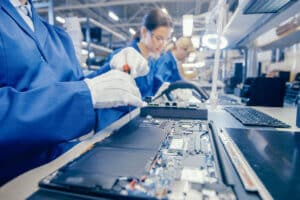
The key benefit coinciding with the IMMEX program is Mexico’s value-added tax (VAT) exemption that you can only obtain when you are approved for the IMMEX program and you are also a VAT-certified company. This exempts foreign manufacturers from the 16% VAT on approved, temporarily imported goods, equipment, and machinery, and offers significant savings. A common misconception is that acceptance into the IMMEX program automatically makes a company duty-free, which is not the case. The IMMEX program can only help companies avoid VAT tax on all temporary imports.
However, a manufacturing company must first apply and be approved into the IMMEX program before applying for VAT certification. The only exception is if a foreign company decides to partner with a shelter operation. A shelter already has all required certifications in place, which means companies can skip the application paperwork and benefit from the tax advantage from day one.
A maquiladora is a term for a manufacturing factory in Mexico. To operate as a maquiladora in Mexico, foreign operators must establish a legal entity to conduct business. It requires establishing what kind of production will be performed, the types of products, and where the facility will be located.
Foreign manufacturers can decide to set up a standalone entity or set up operations under a shelter. Either way, IVEMSA can guide companies through the process by offering administrative services, such as HR, accounting, and trade operations, and securing all permits and certifications.
Nearshoring has resurfaced as a trending term due to the shift of foreign operations from China to Mexico. It is often used interchangeably with other terms like ally shoring and reshoring, as North American countries continue to relocate and/or expand their portfolio to Mexico.
For decades, the U.S. relied heavily on China as its main foreign trade partner. However, events over the past few years have led many to begin manufacturing in Mexico instead. One of the reasons for the shift is the trade conflict between the U.S. and China stemming from 2018. With retaliation and uncertainty regarding tariffs, it caused many U.S. manufacturers to retreat to closer proximity to their central market.
Additionally, the COVID-19 pandemic stalled and/or shut down many supply chains overseas. This disruption caused many U.S. and other foreign manufacturers to become hesitant about their sole reliance on China as a trade option. It led to portfolio diversification and/or a complete move of operations to Mexico, making nearshoring the more favorable strategy in terms of supply chain security.
The United States-Mexico-Canada Agreement (USMCA) is the revised trade agreement between the three countries. Following the success of NAFTA, the USMCA was officially enacted in July 2020. It establishes specific trade protection and regulations in North America, making it advantageous for U.S. manufacturers to switch their partnerships with China to those in Mexico.
The USMCA contains provisions for original content production, intellectual property protection, digital trade, and anti-corruption practices, which encourage North American trade to benefit all economies and provide greater oversight over new technologies and opportunities.
A shelter refers to a third-party entity that allows foreign manufacturers to operate in Mexico. Working with a shelter partner is the most popular way to set up operations due to its cost-effectiveness and efficiency. Additionally, it provides U.S. and other foreign manufacturers with the security and support they need to succeed.
A shelter company like IVEMSA is equipped to help manufacturers even if they choose to operate as a standalone entity. Though, as a standalone, there’s full exposure to Mexican fiscal, labor, and trade authorities, companies can still receive the same services to help with incorporation, including recruiting and hiring, taxes and accounting, and all other administrative responsibilities necessary to start production.
Part of manufacturing in Mexico is getting familiar with the lingo. IVEMSA helps to reduce the learning curve for foreign operators in all areas and ensures they have everything they need to operate.
Moving production to a new location and changing setup models is a complex undertaking that takes significant effort. However, due to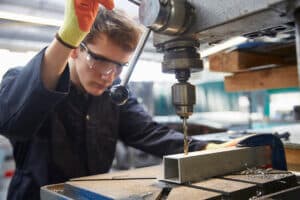 ongoing trade restrictions between the U.S. and China, as well as complications resulting from COVID-19 shutdowns and slowdowns, many U.S. manufacturers are considering nearshoring to Mexico as a competitive advantage that’s worth the commitment.
Nearshoring manufacturing rose to popularity in the 1980s as U.S. and other foreign companies began to seek ways to reduce costs while keeping up with market demand. During this time, offshoring to China also became popular due to the availability of low-cost labor. Although, once the North American Free Trade Agreement (NAFTA) was introduced in the 1990s, it became more favorable for U.S. manufacturers to reshore to North American markets, thereby making Mexico the optimal choice over China.
Now in 2022, shifts in the manufacturing industry no longer make China as lucrative as it once was. The industrial labor force is retiring, and fewer employees are taking on vacant manufacturing roles. Additionally, labor and transportation costs have spiked, delayed timelines have deterred production, and ongoing trade conflicts between the U.S. and China have created room for opportunity for nearshoring instead.
Mexico maintains a well-established infrastructure and steady transportation pathways. Plus, the close proximity between Mexico and the U.S. results in speedier shipment times compared to overseas. A shipping container from China can take several weeks to arrive at a U.S. port. Whereas, shipments from Mexico to the U.S. can often be transported same-day. The geographical location is unmatched, making it easier for advisors to conduct site visits and work in the same or similar business hour time zones.
Furthermore, production security and intellectual property (IP) protection has always been a concern for manufacturers, an area which has been strengthened between North American countries through the USMCA. Conversely, IP protection has been a common problem when outsourcing to China due to counterfeits and unenforced IP rules. As digitization and new technologies continue to emerge, ensuring regulations are observed is essential.
In addition to the proximity advantage and protections under the USMCA, an operational move to Mexico also comes with the unique advantage of partnering with a shelter provider. A shelter has the experience and expertise to launch production for a new foreign company within three to four months compared to the six to seven months it takes as a standalone entity.
Under the shelter, all administrative responsibilities are taken care of, including site selection, recruiting employees, permitting and licensing, and customs compliance and accounting. It saves time and costs and allows manufacturers to focus on day-to-day production, making the transition seamless and hassle-free.
The pandemic revealed maintaining supply chain diversity is important so as to not become reliant on Asia as the only option. However, when planning long-term, the advantages of nearshoring to Mexico for U.S. manufacturers remain unmatched and will continue to be a core strategy.
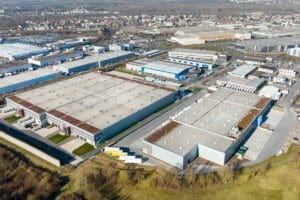 Manufacturers seek out areas of production close to their end market. Typically, when a company chooses nearshoring to Mexico, it’s because their target audience is in North America, and they want to establish a manufacturing footprint closer in proximity than Europe or Asia.
Cost logistics, transfer time, and labor are constant challenges U.S. manufacturers face when operating in countries like China. Whereas, nearshoring to Mexico offers benefits such as same-day shipping, similar working time zones, and easier travel for supervisors to conduct site visits.
All of this adds up to greater cost and time savings, as well as quicker delivery to market. Collectively, it creates a sustainable setup that’s still flexible to a changing market while providing the same benefits.
One of the reasons more manufacturers are seeking nearshoring to Mexico as a sustainable strategy is because of the volatile trade relations between the U.S. and China. What used to be the primary region for cheap labor and production has been riddled with problems over recent years without any resolution any time soon.
Increased Chinese restrictions on manufacturing are causing trade partners to cut ties due to concerns with retaliatory tariffs, unreliable supply chains, and increasing labor costs. Additionally, there are certain regulations regarding intellectual property-sensitive products for aerospace, medical, and military sectors that are driving U.S. manufacturers to operate closer to home in Mexico.
Mexico is unified with the U.S. and Canada with specific incentives for trade within North America under the USMCA. Plus, the IMMEX maquiladora program in Mexico exempts U.S. and other foreign manufacturers from the 16% VAT on all temporarily imported goods, materials, and equipment. And with the withering manufacturing labor force in the U.S., Mexico’s steady industrial talent pool offers recruiting advantages.
However, the market is in a constant state of flux, often with unforeseeable factors to contend with, which means manufacturers must be flexible enough to adapt. Fortunately, a shelter solution contributes to the sustainability of nearshoring to Mexico to ensure everything continues running smoothly even when significant shifts occur.
The shelter option is unique to Mexico and supports U.S. and other foreign manufacturers eager to ramp up production in a short amount of time. It minimizes risk and liability, reduces the learning curve of manufacturing in Mexico, and allows operators to maintain complete control of production and intellectual property.
A shelter operator like IVEMSA is successful for many reasons, one of which is service adaptability. As production in Mexico grows, shelter services can be ramped up or scaled back as needed for production. IVEMSA can help determine what’s necessary in terms of building space, equipment, employee headcount, and permitting as a manufacturer grows. IVEMSA is also focused on high-quality service by allocating resources effectively so as to not get bogged down by an unmanageable quantity of accounts.
 Outsourced production to China has been a long-held strategy for U.S. manufacturers, though trade war conflicts have caused many to set their sights on Mexico instead. There are unique benefits the country offers, which aren’t available when manufacturing in China, and with a history of success supporting global manufacturers, it’s no surprise Mexico manufacturing has become such an increasingly popular solution.
Immediacy is a central focus for businesses today. Since Mexico is in such close proximity to the U.S., manufacturers can serve their customer base faster and at a more cost-effective rate, especially compared to China.
In many scenarios, same-day delivery to the U.S. is available when manufacturing in Mexico which expedites timelines and decreases freight costs. Whereas, it often takes several weeks to receive a cargo shipment from China to U.S. ports. Additionally, the close proximity between the U.S. and Mexico allows for more frequent site visits for quality assurance as needed versus the extensive travel time it takes to fly to China.
Foreign companies that set up operations in Mexico must first be approved through the IMMEX maquiladora program. Though the process can be time-consuming, there’s a significant tax advantage of the program. It exempts U.S. and other foreign manufacturers from the 16% VAT on all temporarily imported goods, equipment, and materials.
This can be implemented from the start of operations when a manufacturer works with a shelter operator. A shelter already has IMMEX certification and other permits in place, which reduces the time to launch as well as delivers tax benefits from day one.
Manufacturing in Mexico offers improvements in communication due to similar time zones. At most, a factory in Mexico would be three hours ahead or behind its U.S. headquarters, which means emails and calls can be answered faster and within normal business hours. There are also fewer cultural and language discrepancies when compared with operating in China.
A shelter can guide manufacturers on the cultural expectations in Mexico with regard to work benefits. For example, Mexico recognizes a 48-hour work week versus the typical 40 hours per week in the U.S. Partnering with experts who understand the complexities of the industry reduces the learning curve for foreign manufacturers and creates a more seamless transition.
Lack of intellectual property protection has been an overarching concern for those manufacturing in China. Whereas, the USMCA has built-in protection for the U.S., Mexico, and Canada when it comes to protection for patents and copyrights both physical and digital. The free trade agreement also favors original content among these three countries and has established a regional value content of 75% for automobiles and automotive parts.
Source:
https://ustr.gov/sites/default/files/files/Press/fs/USMCA/USMCA-Autos_and_Auto_Parts.pdf
Economic conditions around the world are still reeling from the impacts of COVID-19, and companies are reassessing their business strategies going forward. However, Mexico manufacturing has experienced a resurgence of growth which has surpassed activity pre-pandemic.
While other markets like China temporarily shut down or delayed supply chains over the past two years, Mexico held relatively steady and fulfilled production needs where others fell short. This in combination with the rise in export demand has led to a growing reliance of U.S. manufacturers on suppliers in Mexico, though the strong partnership between the two countries isn’t a new concept.
Mexico manufacturing maintains a long history of success across various sectors, including automotive, aerospace, electronics, and medical devices. Inevitably, a growing number of U.S. firms are seeking the same growth and stability others have previously achieved. With continued investments in infrastructure, a favorable trade policy, and industrial workforce availability, Mexico continues to strengthen its support for U.S. economic growth.
Though Mexico also experienced economic setbacks due to the pandemic, the Mexican Government held to its commitment to establishing a greater quality and coverage of infrastructure as a way to stimulate economic activity and create employment opportunities. The first round of economic reactivation projects was announced near the end of 2020 and featured 39 projects worth an estimated $13.8 billion USD. This included airport system upgrades for the greater Mexico City metropolitan area and surrounding states, new refinery construction in Tabasco, and a passenger and cargo train on the Yucatan Peninsula.
Another 29 projects equaling $10.5 billion USD were launched only a few months later, followed by the third round of 36 projects in 2021 worth $3.5 billion USD. Added to the list of most anticipated projects was the development of the T-MEC Corridor, a port designed to connect Durango with 220 miles of railway and serve the central and northeastern part of the U.S. and ultimately link to centers in Winnipeg, Canada.
Read more: Unique benefits of nearshoring to Mexico for U.S. manufacturers.
Additionally, the official enforcement of new USMCA provisions established in July 2020 promoted economic stability between North American countries and further incentivized many U.S. manufacturers to relocate their operations from China to Mexico. Though China was once a cheap production solution for U.S. firms, the increasingly volatile relationship between the two countries caused many to reevaluate their strategies. Between the trade war, problems with intellectual property protection, and the rising costs of labor in China, Mexico manufacturing has become the more lucrative alternative.
The steady availability of Mexico’s industrial workforce, in combination with greater U.S. export demand, has helped to drive the need for manufacturing in Mexico. While labor shortages in the U.S. have caused growing concern for many industrial sectors, companies can easily source highly skilled talent in Mexico to fulfill production needs at a cost-effective rate.
Mexico manufacturing has demonstrated resilience over the decades, particularly through the most recent set of pandemic-related challenges. It’s one of the many reasons why U.S. firms continue to invest in this strategy as a way to support their economic activity. With the help of an experienced shelter company like IVEMSA, manufacturers receive the support and expertise they need to launch and maintain a successful operation.
Source:
Manufacturing in Mexico has been a successful, cost-effective strategy for many U.S. firms over the decades, especially as a competitive alternative to manufacturing in China. However, Mexico manufacturing also creates opportunities for U.S. operations in ways that may go unnoticed.
In addition to the benefits of lower labor and production costs, the trade relationship between the two countries continues to grow stronger and serves as a boost to the U.S. economy. Here are four ways that show how.
 Mexico manufacturing supports the production demand in the U.S., but there are also a lot of products Mexico imports from the U.S. as well, including higher-value items, such as machinery and mineral fuels. The latest trade data reports Mexico was the second-largest importer of U.S. goods equaling over $256 billion, an increase of 99.1% since 2009, making it a surging win-win for both economies.
The labor shortage, particularly in the industrial sector, has been a rising challenge in the U.S. There are many production jobs many Americans either do not want or do not have the expertise necessary to qualify. Fortunately, the labor force in Mexico has the technical education and skillset to meet market demand at a cost-competitive rate.
Globally, countries are putting together big trade blocks, i.e. the European Union. The U.S. and Mexico both fall into the North American trade block and establish free trade between the countries per the USMCA. Additionally, per the trade agreement, intellectual property is greater protected than in China and more aligned to U.S. standards. These favorable trade relations make it no surprise that Mexico manufacturing has surpassed China and is currently the largest goods trading partner for the U.S. with $614.5 billion in reported two-way trade in 2019.
Setting up foreign operations doesn’t automatically mean profits generated stay foreign as well. When a U.S. firm sets up operations under a maquiladora in Mexico, the maquiladora doesn’t keep the profits; they’re generated for the company headquartered in the U.S. The maquiladora supplies the labor and relies on the local supply chain to ultimately support U.S. manufacturing growth.
U.S. manufacturers that want to expand their operations minimize their business risk by partnering with a shelter company. They can choose to move part or all of their processes to Mexico as a way to lower costs and increase production without the hassle of overseeing all the necessary administrative tasks.
Under IVEMSA’s shelter program, setup is complete in as little as three to four months with HR, accounting, daily trade operations, payroll, recruiting, and accounts payable taken care of. Additionally, companies operating under the shelter don’t have to establish their own separate entity which minimizes risk and liability. Plus, if after the trial period, the solution isn’t the right fit, the flexibility of the shelter makes it easy to stop or adjust production as needed.
Source:
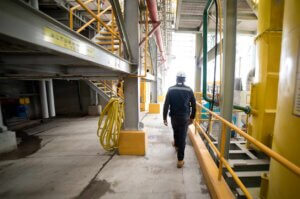 The delays and disruptions caused by the pandemic, in addition to the trade war between the U.S. and China, caused many U.S. manufacturers to consider diversifying their options and moving at least a portion, if not all, of their foreign operations closer to home in Mexico. Nearshoring manufacturing to Mexico has its advantages over operating in China, though there are frequently asked questions that must be answered in order to help make a decision. By comparing the two options side-by-side, it becomes clear why Mexico has taken the lead as the preferred choice.
It’s becoming increasingly common for manufacturers to move their operations from China to Mexico. There are several reasons for this transition. First, China has steadily increased its wages, making the notion of “cheap labor” less incentivizing than it once was. Additionally, much of its technical workforce is retiring without equal numbers available to replace these workers.
Second, intellectual property (IP) theft has been a long-time challenge for U.S. manufacturers, particularly those in the automotive and electronics sectors. Add to these complications the trade war between the U.S. and China beginning in 2018, followed quickly by the pandemic in 2020, which essentially shut down all supply chains indefinitely for months, and it’s clear why manufacturers are exploring nearshoring as their top strategy.
Though there are IP protections are in place for both China and Mexico, the procedure for enforcing penalties in China isn’t as standardized as what’s supported through the USMCA. Among the updates to the free trade agreement between the U.S., Canada, and Mexico include copyright safe harbors to deter online piracy, a minimum of 15-year protection for industrial designs, strong civil and criminal trade secret protections, among others. In today’s technology-driven world, it’s essential to have protections in place to protect companies’ patents, copyrights, and production long-term.
Due to the pandemic-driven delays experienced when manufacturing in China, Mexico is becoming the preferred choice due to established infrastructure, reliable transportation, and close proximity to the U.S. A container shipment from China to the U.S. can take several weeks to arrive before being held in backed-up ports that further delays delivery. Alternatively, U.S. manufacturers nearshoring to Mexico can often receive shipments within the same day they are shipped out, depending on how close facilities are to the U.S./Mexico border.
Mexico’s close proximity to the U.S. automatically cuts down on transportation costs simply due to the shorter distance it takes to travel. Additionally, labor costs are also lower with salaries starting at $20 USD per day in the northern border area of Mexico and $16 USD for the rest of Mexico.
Comparatively, as of December 2020, China’s yearly manufacturing wages equaled approximately $59 per day USD. Furthermore, working with a shelter company also provides significant savings for manufacturers nearshoring to Mexico, equaling approximately $12,000 montly in administrative services.
Most manufacturers that partner with a shelter company like IVEMSA do so for several years, though there is a graduate program allowing them to eventually transition towards becoming their own entity. It depends on the strategy and structure of what you want to achieve and how a shelter can help support your company’s goals.
IVEMSA handles all administrative and compliance responsibilities necessary for foreign companies to set up operations in Mexico. Due to an extensive history of expertise and experience, this can be achieved in three to four months, compared to six to seven months when operating as a standalone entity.
Sources:
https://ustr.gov/sites/default/files/files/Press/fs/USMCA/USMCA_IP.pdf
https://tradingeconomics.com/china/wages-in-manufacturing
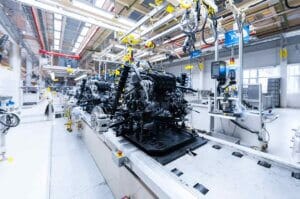 The North American Free Trade Agreement (NAFTA) served its participating countries well by placing value on nearshoring and as a result, it boosted exports, created manufacturing jobs, and increased wages for industrial labor. During this time, Mexico became one of the world’s top industry hubs and attracted millions of dollars in foreign direct investment (FDI), allowing U.S. manufacturers to grow as well.
As the economic climate changes and advanced technology moves to the forefront of manufacturing, the original NAFTA agreement has been retired to make way for the United States-Mexico-Canada Agreement (USMCA), which was officially enforced in July 2020. Though this updated trade agreement carries many of the same advantages as before, there are specific provisions and inclusions that better address the needs of today’s manufacturing landscape.
Certain sectors, including automotive, aerospace, and electronics have already felt the positive lift the USMCA has provided. Here’s how:
Automotive manufacturers have secured ongoing success when nearshoring to Mexico with a significant lift in productivity after NAFTA was enforced. From 1994-2006, light vehicle production more than tripled, increasing from 1.1 million units to 3.5 million units. The steady growth and increased FDI created an established infrastructure and reliable supply chain future manufacturers could benefit from. Under NAFTA, Mexico also phased out tariffs on motor vehicles and automotive parts, as well as logistical costs throughout the North American market, making Mexico a highly desired, strategic manufacturing location.
Building upon the success of NAFTA, the USMCA Rules of Origin increase the content requirement from 60-62.5% to 70-75%. The new deal also supports higher wages by requiring earnings of $16 per hour for 40-45% of auto content. These changes have been established to preserve and incentivize reshoring of vehicles parts and production and transform supply chains to use more North American content.
Aerospace is a continuously growing sector in Mexico with an export value amounting to $9.5 billion USD in 2019. This represents over a four-fold increase in aerospace exports over the past decade. As with automotive manufacturing, NAFTA’s tariff structure helped catapult the growth of the aerospace industry in Mexico and attract global leaders, including Lockheed Martin and Boeing, both of which source parts from Mexico.
Part of the advantages under the USMCA is the modernization of trade with North America including intellectual property (IP) protection, trade facilitation, and market access for goods. Since innovation is one of the key factors in aerospace manufacturing, the extensive IP protection under the USMCA combats IP theft and enforces legal procedures for applicable penalities.
Additionally, trade facilitation through the USMCA creates more efficiency through standardized rules when nearshoring to Mexico, which reduces transaction costs and administrative delays. Furthermore, the limitation set forth on the increase of duties allows for more predictive planning when sourcing parts and components within the domestic supply chain.
Greater IP protection and established procedures on tariffs also support the development of electronics manufacturing. The USMCA establishes the highest standard for any U.S. trade agreement by protecting copyrights, industrial designs, and patents, among other legal provisions. Global companies like Samsung and LG can better protect their FDI in Mexico due to these greater protections put into place.
In addition to the significant benefits of the USMCA, foreign manufacturers from all sectors also have tax advantages under Mexico’s IMMEX maquiladora program. When approved under the IMMEX maquiladora program, U.S. and other foreign manufacturers are exempt from the 16% value-added tax on temporarily imported goods, materials, and equipment. To expedite operations and receive this exemption from day one, manufacturers choose to work with a shelter company like IVEMSA.
At IVEMSA, we already maintain IMMEX certification, as well as other necessary permits, and take on the burden of legal risk and liability for foreign manufacturers nearshoring to Mexico. Meanwhile, all administrative duties necessary to set up a new operation are handled by our team of experts, allowing you to prioritize production and day-to-day management.
Sources:
https://www.chicagofed.org/publications/economic-perspectives/2017/6.
https://www.statista.com/statistics/711864/mexico-value-aerospace-industry-exports/
https://crsreports.congress.gov/product/pdf/IF/IF11387
 For decades, Mexico manufacturing has been viewed as a strategic advantage for U.S. companies that want to operate closer to home. Though, in recent years, there’s been a significant shift from manufacturing in China to nearshoring to Mexico as a key strategy.
With a history of industrial success due to built-in benefits unavailable overseas, this move is highly advantageous for several reasons. From infrastructure to the IMMEX maquiladora program, here are five areas companies can benefit from most when manufacturing in Mexico.
Due to Mexico’s extensive history in manufacturing, there are stable networks in place that extend throughout the country as well as into the U.S. Global companies with established operations have continued their investment over the years as their respective industries have grown and evolved. The U.S. is the highest source of foreign direct investment (FDI) into Mexico, totaling $5.04 billion USD or 42.5% of the FDI total in 2021, a majority of which funnels through the industrial sector.
With operating activity in an array of specialized industries, there’s also a strong supply chain to count on in Mexico, which has been one of the greatest advantages in recent years. Whereas, China has experienced delays, a weakened supply chain, and other challenges that have negatively impacted production. Manufacturers want a strategy with built-in stability to help protect the future of their operations. The benefit of a dependable infrastructure puts the spotlight on Mexico manufacturing as the most viable option.
Mexico is part of 13 free trade agreements with 50 countries. This includes the USMCA, which has strengthened the trade relationship between the U.S., Mexico, and Canada. The updated provisions eliminate barriers to trade among these three countries and deliver new incentives for U.S. manufacturers operating in Mexico. In comparison, the U.S. trade war with China has resulted in retaliatory tariffs that hindered the exchange between the two countries and caused manufacturers to reconsider their sole reliance on China for production.
Furthermore, the USMCA implements robust intellectual property (IP) laws and regulations with enforced penalties for those in violation. In today’s modern world, where new patents continually enter the market, IP protection is crucial among global companies and has been a notorious source of contention between the U.S. and China in the past.
Inflation has led to rising costs in nearly all areas of operation, which makes the cost-savings benefits of manufacturing in Mexico an even greater strategic advantage. For U.S. manufacturers, specifically, the close proximity between the U.S. and Mexico cuts down dramatically on transportation costs and delivery timelines.
Currently, a shipment from China to the U.S. costs upwards of $10K to $15K and takes several weeks to arrive. Alternatively, finished goods can often reach their U.S. destination from Mexico on the same day for a few hundred dollars. Furthermore, quality assurance oversight is easier to maintain with the shorter travel distance between the two countries versus a U.S. manufacturer scheduling a factory visit in Asia.
Another main reason why U.S. companies are turning to Mexico manufacturing in 2022 is the scarcity of the industrial workforce in the U.S. and China. Many companies have struggled to find reliable, industrially skilled employees to carry out operations. The exodus of industrial workers has been provoked by a combination of those seeking other employment opportunities and the retirement of industrial workers who have served in the manufacturing sector for decades.
In addition, both the U.S. and China have also experienced increases in the minimum wage, making the cost-effectiveness less enticing than foreign manufacturers recruiting employees in Mexico. Mexico continues to invest in the education and training of its industrial workers and has developed a highly competitive workforce in accordance with cost-effective labor rates. For example, the hourly rate for a skilled operator in Mexico is $5.31 versus the $15 minimum wage in the U.S.
Lastly, two unique benefits of Mexico manufacturing are the shelter setup and the IMMEX program, which work together hand-in-hand. A shelter reduces the risk and liability for foreign manufacturers operating in Mexico by serving as their legal entity. A shelter company also takes care of all administrative tasks necessary to set up operations. It allows companies to get up and running in as little as three to four months, compared to six or seven months as a standalone entity. Meanwhile, companies maintain complete control of production and ownership of goods, equipment, and materials.
Working under a shelter also grants foreign companies benefits as part of the IMMEX maquiladora program. The IMMEX maquiladora program allows foreign manufacturers to temporarily import manufacturing materials and exempt them from the 16% VAT, as long as the finished goods are exported within the established timeframe.
This cost-savings benefit begins from the first day of operations when working with a shelter, as all necessary certifications and permits are already in place. However, for U.S. and other foreign companies establishing their own standalone entity, the application and approval process can take months, and all materials and equipment will be taxed accordingly.
U.S. and other foreign manufacturers have benefited from Mexico manufacturing for years, and it’s a strategy that still holds steady today. IVEMSA has successfully helped manufacturers set up their operations since 1982 and maintains a 15-year average customer retention rate.
Source:
https://mexico-now.com/prospects-for-foreign-direct-investment-in-mexico-2021/
The stability of the global supply chain hangs as a question in everyone’s mind. While the pandemic is what initially sparked a series of delays and stunted foreign operations, manufacturers are still reeling from residual challenges two years later. Companies face shipping container, component, and labor shortages as the demand for durable goods is on the rise, all of which is putting a heavy strain on the supply chain.
 However, on the other side of this growing problem is the chance to implement new solutions. For many, that involves manufacturing in Mexico. Though China has been the long-standing solution when seeking a cheaper way to operate, it’s also been the source of many significant problems. Although, Mexico has always been right on its heels, many times surpassing China as the preferred operational location.
Due to the close proximity with the U.S., manufacturing in Mexico feels more like a domestic purchase compared to dealing with the costs and timelines of typical international shipping. For example, if there are supplies or products not available in one of Mexico’s border towns, like Tijuana or Jaurez, they can easily be sourced from their neighboring counterparts in California or Texas, respectively.
For every dollar produced in Mexico, there’s a U.S. component as well, which strengthens the supply chain integration between the two countries and creates greater logistical advantages compared to manufacturing in China, such as:
There is convenience, efficiency, and cost savings for U.S. manufacturers that choose to operate in Mexico. However, Mexico manufacturing is not a new strategy. It has served as a central operational hub for foreign companies for decades due to its established infrastructure, competitive workforce, and cost-effective benefits.
As a result of this consistency, it has nurtured a growing supply chain. There is a diverse array of suppliers across various industries continually expanding their product lines. Third-party service providers also continue to expand as manufacturers seek new opportunities. Meanwhile, this growth and success decrease the reliance on China.
Even prior to the pandemic, the U.S. continuously struggled with its manufacturing relationship with China, due to retaliatory tariffs, lack of intellectual property protection, and an aging workforce at a higher cost. Whereas, U.S. companies have benefited from manufacturing in Mexico for years, and the strengthening ties between the two countries offer the additional advantage of supply chain stability.
Conducting operations closer to home in Mexico provides greater efficiencies and specific competitive advantages for U.S. manufacturers, one of which is working with a shelter company. A shelter company takes care of all administrative responsibilities necessary to seamlessly set up new operations. This includes customs compliance, legal and tax regulations, as well as HR and accounting services, which allows manufacturers to concentrate on day-to-day production.
Those who partner with a shelter company like IVEMSA benefit from a team with years of experience, knowledge, and expertise to get a foreign operation up and running in as little as three to four months with virtually no legal risk. Furthermore, operating under a shelter equals significant savings on labor, infrastructure, permits, and license fees. It provides all of the advantages with none of the hassle.