
The more things change, the more things stay the same – at least when it comes to trade. Though manufacturers are no strangers to navigating the ups and downs of the market, there have already been unrelenting tariff applications (and retractions) in the first six months of 2025.
Yet, the one thing that has remained in place since its onset in 2018 is the trade war between the U.S. and China. This conflict first began during President Trump’s first term in office, and the volatility between the two countries has continued ever since, causing manufacturers to move away from China as a long-term strategy.
This is a significant shift following decades of American companies depending on Chinese manufacturing for its low-cost labor and steady supply chains. However, due to rising tariffs and the derailment of the supply chain infrastructure during the pandemic, manufacturers have begun to lean more heavily on nearshoring to Mexico.
In addition to the need to diversify their portfolios, the official enactment of the U.S.-Mexico-Canada Agreement (USMCA) in 2020 solidified manufacturing in Mexico as the go-to, long-term strategic move.
As a replacement to the pre-existing North American Free Trade Agreement (NAFTA), the tariff-friendly USMCA benefits those within the North American trade bloc and has resulted in a steady increase in U.S. manufacturers moving their operations away from China or at least expanding their presence by also launching production closer to home.
The focus on tariffs has kept manufacturers on their toes as the Trump administration goes back and forth with implementation, though there has been some solace found through the USMCA.
The USMCA eliminates tariffs on qualifying goods for manufacturers in the U.S., Mexico, and Canada. Whereas, there have been additional restrictions on certain components, including semiconductors and automotive parts from China, under President Trump. Add in the ongoing geopolitical tensions and skepticism around technology protection, and many manufacturers are moving away from China as their main hub of manufacturing.
Furthermore, the cheap labor rate China was once known for is steadily increasing and failing to offset Asia’s lengthy and costly shipping timeline, which can take weeks to reach the U.S., compared to a few days, if not same-day, when shipping from Mexico. Thanks to the tariff relief, streamlined customs processes, and enhanced intellectual property protection under the USMCA, manufacturing in Mexico has become a more cost-effective and reliable way to do business for many.
And by working with a shelter services company, U.S. and other foreign manufacturers have expertise on their side to stay current on trade compliance, along with the infrastructure to streamline production setup and save on manufacturing costs.
As part of a comprehensive solution, an experienced shelter services company like IVEMSA can help U.S. manufacturers navigate changes concerning trade and confirm whether their goods qualify under the USMCA.
They can also provide guidance on how to make the type of transformation necessary to meet the rules of origin to avoid the implementation of tariffs. Even in uncertain times, a shelter company can help manufacturers feel confident about their next move.
Questions about tariffs when manufacturing in Mexico? Contact IVEMSA and speak with one of our team members today.
Changes continue to affect manufacturing in Mexico, though the anticipated update regarding Mexico’s IMMEX program may be a welcome one.
In the mid-1960s, the Mexican government created what was then known as the maquiladora program as an incentive to increase foreign direct investment. Approval into the program allows U.S. and other foreign companies to temporarily import goods, materials, and equipment necessary for the manufacturing process without having to pay the 16% value-added tax (VAT), as long as the goods are exported within the required amount of time.
Currently, the government is updating the rules for application, which is intended to make the process quicker and easier to obtain certification. As of now, it can take new entities weeks or even months to be approved and receive the VAT exemption.

While the new ruling has yet to be released, industry experts expect the changes to be rolled out any day. However, because of the overhaul to the IMMEX program, applications and challenges to decisions already in process have been delayed.
Therefore, now more than ever, it’s important to understand the benefits of enlisting the help of a shelter services company, even if you’ve operated in Mexico before.
One of the many advantages of working with a shelter services company is that manufacturers have quicker access to all the necessary licenses and permits needed to operate, including IMMEX program approval and VAT certification.
Exemption from the 16% VAT goes into effect as soon as the extension request of the shelter IMMEX program is approved, representing a significant manufacturing cost savings. Additionally, a shelter services company allows manufacturers to:
Operating under a shelter company is the safest way to manufacture in Mexico. It protects foreign companies from legal exposure and provides a built-in team of trade compliance experts to prepare for and abide by the changing rules regarding tariffs and duties.
Partnering with a shelter company also allows manufacturers to save on administrative and management labor and infrastructure, including HR, accounting, payroll, and daily trade operations. Plus, having the guidance of experienced industry experts helps to reduce the learning curve associated with navigating trade laws and compliance in a foreign country.
Some manufacturers prefer to set up a standalone entity when manufacturing in Mexico. However, most seek the support of a shelter company because of the personnel and processes already in place.
From site selection to recruiting employees, a shelter company handles all of the administrative tasks necessary to get operations up and running in nearly half the time it takes a standalone entity. Furthermore, manufacturers working under a shelter still maintain full control over their production, processes, and intellectual property.
The IMMEX program has benefited U.S. and other foreign manufacturers for decades, and working with a shelter services company like IVEMSA makes obtaining permits and certifications a seamless process, regardless of what changes are in store.
Whether you decide to set up your own entity or want to take advantage of the full scope of services offered, IVEMSA can support your needs every step of the way.
For more information about the IMMEX process or to inquire about manufacturing in Mexico, contact our team today.
U.S. manufacturers have the unique benefit of working with Mexico shelter companies to create a seamless transition when launching production in Mexico for the first time.
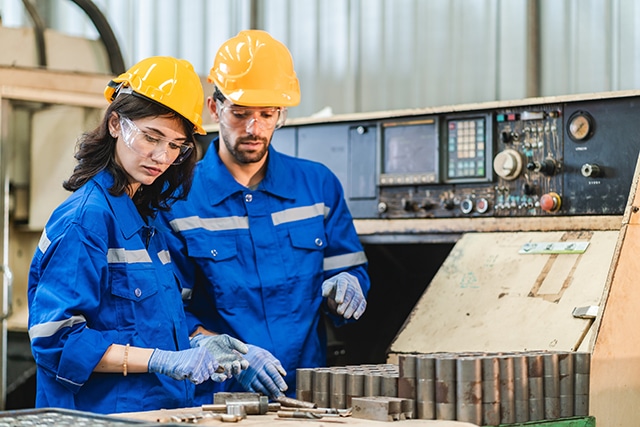
Though there are always initial questions to evaluate the best business route, recent tariff talk has led to more questions regarding compliance. Manufacturers are particularly interested in whether their products will be deemed USMCA compliant.
Since Mexico is part of the USMCA, qualified goods under this trade agreement can be imported into the U.S. with 0% tariffs, as per the April update from the U.S. administration. However, to meet these qualifications, manufacturers must correctly categorize their products and be ready and willing to make adjustments in accordance with the Harmonized Tariff Schedule (HTS).
This process takes time, research, and customs expertise to complete correctly. It is one of the many ways Mexico shelter companies have helped U.S. and other foreign manufacturers reach their production goals in a cost-effective, timely manner.
To spearhead a strong start, here are the steps taken to ensure a successful setup:
In the early stages, a shelter company will ask qualifying questions to provide options that best align with a manufacturer’s specific growth goals. These include:
All of this helps to determine whether it’s best to create a standalone entity, implement shelter services, or a combination of both.
To ensure USMCA compliance, the customs process requires a bill of materials complete with a description of each product being imported plus pictures categorizing components to determine duty pricing.
A shelter company evaluates this with a U.S. customs broker, who determines if products qualify under USMCA compliance or if they need to be changed in any way. These details are important when calculating costs and for staying on schedule for setup.
Additionally, Mexico shelter companies further streamline the setup process by establishing industrial leases, connecting utilities, and handling all administrative responsibilities necessary for production to begin. This includes taxes and accounting, human resources and recruiting, as well as local government and legal compliance.
By delegating these tasks to a shelter company, it alleviates time and stress for manufacturers, allowing them to fully focus on production. Furthermore, manufacturers maintain complete ownership and control over their production, processes, and intellectual property.
Setting up production in a foreign country is a complex process. It’s beneficial to have local experts who understand everything needed to launch production quickly and efficiently. Working with a Mexico shelter company reduces setup time from six to seven months to three to four.
However, since not every manufacturer is an ideal fit for the shelter services model, IVEMSA evaluates all options and makes recommendations based on each company’s unique goals. This encourages a strong partnership from the beginning and sets the foundation for manufacturers to be successful.
Navigating change is always challenging as there’s a level of uncertainty that comes with it. However, there are also core foundations to rely on that make it easier to adapt.
Right now the lack of clarity on proposed tariffs on Mexico is hi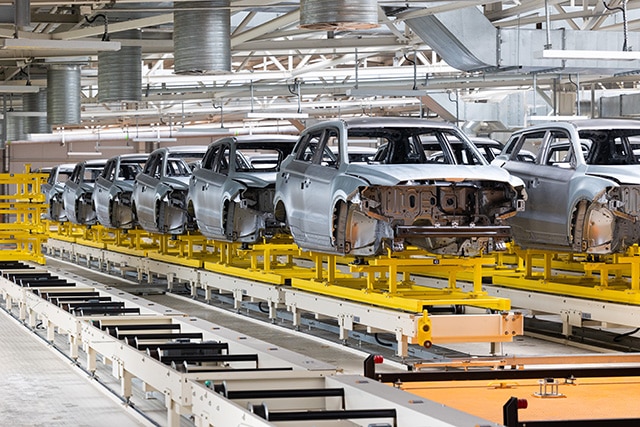 gh on the list of challenges some manufacturers expect to face. Though, even as a new U.S. presidential administration is officially in place, it remains to be seen if and when certain campaign promises will come to fruition.
Economists have already pointed out the contradictions of President Trump’s campaign promise of “100% tariff(s) on every single car coming across the Mexican border” in an effort to boost both U.S. revenue and U.S. manufacturing.
While tariffs do bring in some revenue as it’s a tax American importers pay for goods from other countries, they also make the production of foreign cars more expensive, which means fewer Americans will buy them, causing tariff revenue to go down.
However, as of Inauguration Day in the U.S., President Trump has already decided to hold off on imposing tariffs for the time being but plans to issue an executive order to begin studying trade issues with countries including China, Canada, and Mexico.
As predicted, there’s been back-and-forth uncertainty as a result of the Trump administration’s indecision about implementing tariffs and which countries are to be affected. Changes have been fast and furious with a brief timeline of the first 60+ days as follows:
January 20 – The Trump administration did an about-face on its previous decision to hold off on imposing tariffs and announced the implementation of 25 percent tariffs on Canadian and Mexican imports starting on February 1.
January 26 – Doubling down, Trump also announced via social media his intent to impose 25% tariffs on all Colombian goods as well, promising to raise them to 50% within one week. However, these never came to fruition, and both Colombia’s president and Trump eventually rescinded their previous tariff threats.
February 1 – The Trump administration returned to its inauguration announcement and signed an executive order to impose the 25 percent tariffs on Canada and Mexico, and a 10 percent tariff on China. All countries involved discussed retaliatory tariffs before Trump agreed to a 30-day holding period for tariffs on Mexico and Canada only.
March 4 – Trump implemented tariffs on imports from China, Mexico, and Canada, the three largest trading partners of the U.S. Canada’s Prime Minister responded with the country’s own 25% tariffs on $155 billion of American goods.
Further into March, Trump began to receive pushback from U.S. automakers and ended up pausing tariffs on cars imported into the U.S. from Mexico and Canada. And, as of March 6, many of the tariffs he initiated only days before had been suspended but with promises of future tariffs on specific materials and a new focus on tariffs on the European Union.
To date, Mexico is acting in good faith and cooperating with what has been requested by the U.S. administration. Also, as of now, it seems protections under the USMCA are covered, which accounts for many of the major manufacturing sectors in Mexico, namely automotive.
However, the see-sawing shifts have been non-stop, and there’s always a chance there will be other changes, including new tariffs on the horizon.
Regardless, having seen this administration in office before, several positives remain as this potential tariff problem lingers overhead, including the solid infrastructure of Mexico shelter services to keep global production moving forward.
Though the Trump administration has stated its desire to bring manufacturing jobs back to the U.S., the reality is there are already open positions that are largely going unfulfilled. The National Association of Manufacturers reported a manufacturing skills gap could result in over two million unfulfilled industrial jobs by 2030.
Additionally, there is a struggle among a majority of U.S. manufacturers to attract and retain the talent necessary to maintain production. In this regard, the advantages of nearshoring to Mexico haven’t changed. Mexico continues to invest in higher education and training programs to generate a steady stream of manufacturing professionals across all job levels.
The cost-effective, qualified industrial labor in Mexico is one of the top reasons why U.S. and other foreign manufacturers continue to keep nearshoring as part of their overall growth strategy.
In 2018, when Trump’s administration imposed 25% tariffs on China, shelter companies in Mexico benefited and expanded their production, eventually making Mexico America’s number one trading partner.
The potential for aggressively taxed import products from Mexico to the U.S. doesn’t negate the significant economic advantage trade between these two countries provides. Most U.S. (and other foreign) manufacturers need production plants in Mexico as their products and technology continue to expand.
The high cost of doing business in the U.S. combined with the lack of industrial workers do not make for favorable conditions, especially compared to manufacturing in Mexico. Due to the cost-effectiveness, U.S. manufacturers will continue to import products, though imposed tariffs may determine which country the U.S. does business with.
Mexico remains a top-tier option as part of the North American trade bloc, its close proximity to the U.S. audience, and a proven global impact on trade for the past several decades.
There is growth within the North American semiconductor industry due to the increasing demand in the automotive and consumer electronics sectors. To prevent data access, global automakers have been instructed not to use Chinese hardware or software in new cars.
The finalized rule from the U.S. Department of Commerce’s Bureau of Industry and Security (BIS), which was first proposed in September 2024, prohibits “certain transactions involving the sale or import of connected vehicles integrating specific pieces of hardware and software, or those components sold separately, with a sufficient nexus to the People’s Republic of China (PRC) or Russia.”
The BIS rule particularly focuses on hardware and software integrated into the Vehicle Connectivity System (VCS) and software integrated into the Automated Driving System (ADS). These critical systems allow for external connectivity and autonomous driving capabilities in vehicles that are connected.
The purpose of this ruling is to deny malicious access to systems that could allow adversaries access and collection of sensitive data and the ability to manipulate cars remotely on American roads. The rule is in effect for Model Year 2027 for passenger vehicles (defined as those under 10,001 pounds) and “requires certain importers and manufacturers to submit annual Declarations of Conformity to certify their compliance with the prohibitions.”
The trade agreement between the U.S., Mexico, and Canada (USMCA) is set for review in 2026 to evaluate how it’s working. Though no major modifications are expected, specific provisions including original content rule, and repercussions against intellectual property violations, promote and protect trade within this trade bloc.
Per the USMCA, at least 75% of automobile content must be made in North America to qualify for duty-free trade. While U.S. manufacturers would appreciate the opportunity to create this content fully in America, the feasibility is simply not possible. It’s the main reason why international trade, specifically nearshoring manufacturing to Mexico, has been so prolific in the rise of global expansion for automakers, as well as other sectors.
U.S. companies leverage the manufacturing advantage in Mexico while maintaining research and development at their headquarters. Maintaining cost-effectiveness and supply chain efficiency in this way is essential, as it’s too expensive to handle the demand solely in the U.S.
To counteract any challenges on the horizon, Mexico is taking steps to stay in good standing with the U.S. as its main trading partner. During this in-between time, there is an opportunity for Mexico manufacturing for those who aren’t taking a wait-and-see approach as the U.S. administration decides next steps.
U.S. and other foreign manufacturing companies that take action now will have access to greater building availability, more favorable lease rates and terms, as well as the first pick for skilled employees.
Furthermore, implementing the solid infrastructure and flexibility of Mexico shelter services is the most viable way for U.S. and other foreign manufacturers to expand production. This has been a successful business model for decades and greatly benefits global economies, including the U.S.
As the months go on, the demand will grow as more manufacturers commit to their nearshoring plans, which will lead to more expensive industrial real estate and less opportunity to find the best talent in the desired location.
The numerous benefits of Mexico shelter services for U.S. and foreign manufacturers hold steady amidst change. These include:
Though there have been strong statements given by America’s current administration, the actions carried out may not be as heavy-hitting.
Either way, IVEMSA is keeping a close watch on any changes and continues to be a resource for clients as they adapt and grow the industry’s inevitable challenges.
For more information about the advantages Mexico shelter services offer, contact our team today.
Sources:
https://www.npr.org/2025/01/19/g-s1-43062/trump-tariffs-revenue
https://www.nytimes.com/2025/01/20/us/politics/trump-tariffs-executive-order.html
https://www.ft.com/content/f83f30be-d673-4f00-b9e5-9e9293512010
https://www.globaltimes.cn/page/202501/1326662.shtml
https://www.nytimes.com/2025/03/13/business/economy/trump-tariff-timeline.html
https://nam.org/2-1-million-manufacturing-jobs-could-go-unfilled-by-2030-13743/
Free trade agreements (FTAs) connect manufacturers on a global scale by reducing trade barriers among countries to strengthen production. Mexico has maintained a strong manufacturing presence, upholding 13 FTAs with 50 countries, including the European Free Trade Area, the Comprehensive and Progress Agreement for Trans-Pacific Partnership, and the United States-Mexico-Canada Agreement (USMCA), formerly known as the North American Free Trade Agreement (NAFTA).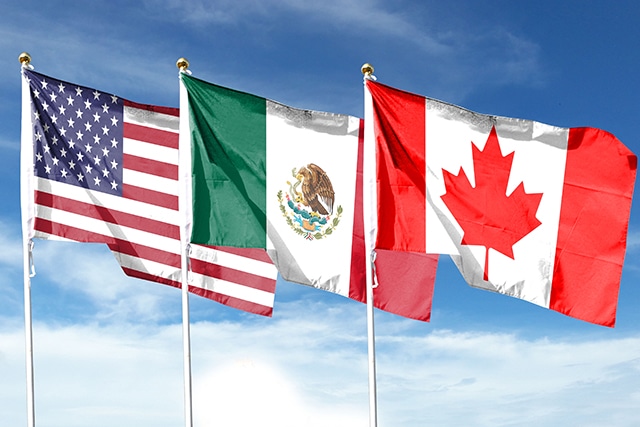
Mexico has more FTAs than any other country, which has facilitated economic gains and innovation across various manufacturing sectors around the world. The USMSCA encourages foreign direct investment in Mexico’s manufacturing industry, specifically, and since its enactment, Mexico has become the top trading partner of the U.S. with nearly $798 billion in goods and services exchanged between the two countries.
Each FTA lays out specific terms regarding agreed-upon benefits and requirements. The USMCA focuses on furthering the manufacturing activity within North America’s trade bloc. And, as more U.S. companies consider nearshoring to Mexico, it’s valuable to reassess the benefits the USMCA provides.
For years, the United States, Mexico, and Canada operated under NAFTA before the USMCA officially replaced it in 2020. This enactment was intended to strengthen reciprocal trade practices across North America by including provisions relevant to modern production needs, such as digital trade and intellectual property (IP).
For instance, the trade agreement solidifies commitments to enforce penalties for IP violations to protect manufacturers from patent and copyright infringements. Another key provision of the USMCA is the Rule of Origin.
This requires that 75% of automotive content must be made in North America to qualify for tariff benefits. Per the Office of the United States Trade Representative, this rule:
Furthermore, the USMCA contains a provision regarding labor value and protection. Trade rules require 40-45% of auto content be made by workers earning at least $16 per hour. These rules are intended to encourage more investment by auto companies in research and development in the region.
Also, The Rapid Response Labor Mechanism, an agreement between Mexico and the U.S. only, allows “enforcement actions against individual factories if they fail to comply with domestic freedom of association and collective bargaining laws.”
Though much of what was originally included in NAFTA is still part of the USMCA, there are updates that have created more balanced trade and support the growth of North American economies.
Trade compliance is challenging to navigate when manufacturing in any foreign country. The smallest misstep can result in fines, project delays, or other penalties. To maintain compliance amidst changing FTA regulations, working with a Mexico shelter company helps to minimize risk and liability.
The shelter model protects U.S. and other foreign manufacturers from being legally exposed to Mexico’s authorities. It also maintains the proper permits and certifications to comply with local laws and regulations.
If you’re considering manufacturing in Mexico as a strategy in the coming year, contact IVEMSA to discuss how our shelter services can make the transition seamless.
Sources:
https://www.trade.gov/country-commercial-guides/mexico-trade-agreements
https://www.dol.gov/agencies/ilab/our-work/trade/labor-rights-usmca
https://ustr.gov/sites/default/files/files/agreements/FTA/USMCA/Text/31-Dispute-Settlement.pdf
https://ustr.gov/trade-agreements/free-trade-agreements/united-states-mexico-canada-agreement
The manufacturing industry has had its fair share of ups and downs in recent years, yet the IMMEX program in Mexico has remained relatively steady. Though there are always changes to anticipate, trends are forecasting a positive outlook heading into 2025.
Let’s explore more of what U.S. and other foreign manufacturers can expect when it comes to costs and competition in Mexico.
For manufacturing companies considering expanding to Mexico, costs remain competitive compared to the U.S. and China. And, despite changes in government leadership, the landscape looks stable to move operations.
With average inflation, any adjustments are expected to be similar to those experienced in 2024. Plus, certain cost-saving advantages remain in place, such as the proximity of Mexico to the U.S. audience and the free trade agreements Mexico holds with other countries, particularly the USMCA.
In terms of the flow of commercial trade, infrastructure can always be improved. However, there are tens of thousands of truck crossings and hundreds of millions in bilateral trade every day between the U.S. and Mexico.
Customs are well-integrated to ensure as much efficiency as possible, and this shouldn’t change anytime soon. Furthermore, with established transportation routes and advanced warehouse production, manufacturing in Mexico will continue to be the best cost-competitive solution for the North American market.
Though this year was not as dynamic as 2022 or 2023, the construction of new commercial buildings in Mexico continued strong, and more space became available than in recent years. With the expansion of available facilities, manufacturers will find it easier to negotiate leases and keep costs close to what they were in 2024.
One of the most dependable benefits of manufacturing in Mexico is the availability of a technically skilled workforce with thousands graduating every year from universities and/or technical schools. This year, the unemployment rate has been on the lower end, making room for many job opportunities, which makes recruiting top talent increasingly competitive.
Therefore, U.S. and other foreign manufacturers must establish a strong recruiting process and re-evaluate benefits to fit what is expected by talent in Mexico. These include traditional healthcare and retirement savings benefits, in addition to food coupons and transportation to work, as well as bonuses for punctuality and attendance, and paid vacations (separate from paid time off), as part of a robust compensation package.
Historically, manufacturing in Mexico has always been a cost-effective strategy for U.S. and other foreign manufacturers to expand production. There are two options to get started: establishing a standalone entity or enlisting the experienced support of a shelter company.
Working under a Mexico shelter company is the safest and most efficient way to do business. Plus, it frees up time for manufacturers to fully focus on production while maintaining complete control over all processes and intellectual property rights.
A shelter company also simplifies the transition to manufacturing in Mexico by handling all the administrative responsibilities necessary for setup. This includes site selection, recruiting and hiring employees, managing taxes and accounting, and overseeing trade compliance.
Thinking of diversifying your portfolio to include Mexico in 2025? Contact IVEMSA to discuss how our shelter services can best align with your manufacturing goals.
Source:
https://opendata.sandag.org/stories/s/Border-Crossing-and-Trade/adfp-wjae/
Nearshoring to Mexico has impacted the growth of the global market in several manufacturing sectors, including the medical device industry. Due to the convenient proximity to the U.S. market and an established infrastructure, Mexico continues to be a thriving production hub. 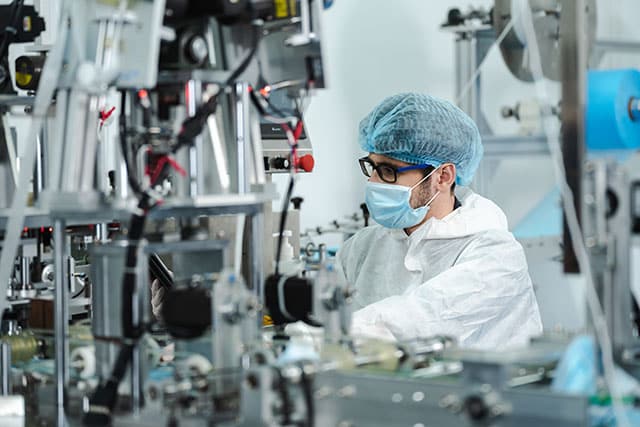
2024 revenue reports reflect the medical device market in Mexico is expected to reach upwards of $7.96 billion with an anticipated annual growth rate of 5.37% to reach market volume of $10.34 billion by 2029. Among the many reasons for the surge in growth is the improving access to advancements in medical technology driving demand.
With the support of a highly skilled workforce, a reputation for quality, and a reliable supply chain, among other benefits, Mexico continues to be a chosen location for production expansion and increased foreign direct investment. It is already home to many of the top global medical device manufacturing companies in the world, including Medtronic, Stryker, Baxter, Becton Dickinson, and Intuitive Surgical, and continues to support growth in the sector.
For decades, U.S. and other foreign manufacturers have relied on the cost-effectiveness of Mexico’s workforce. However, it’s the availability of technical talent that allows manufacturers to fulfill roles that may otherwise go unfulfilled as the U.S. struggles with recruiting qualified labor.
Many U.S. and other foreign manufacturing companies partner with local universities in Mexico. They set up specific training programs to teach skills required to consistently meet production needs.
Due to Mexico’s proximity to the U.S. market, it’s easier for project managers to provide quality assurance and production oversight compared to manufacturing in China. Also, because of the highly specific nature and requirements necessary for medical device production, recruiting top-level talent ensures fewer mistakes that may delay getting products to market.
The complex logistics of manufacturing in China have caused many manufacturers to diversify their portfolios and expand production to Mexico. U.S. manufacturing companies can import and export more quickly and at a much lesser cost compared to production in China. Plus, a steady supply chain and multiple transportation methods allow manufacturers to choose the best route for them.
Medical device products in Mexico are subject to the same safety regulations as those manufactured in the U.S., under FDA Class I, II, and III guidelines. Additionally, provisions under the USMCA clearly outline protections for intellectual property and penalties for violations for greater manufacturing confidence.
One of the key benefits helping to strengthen the medical device sector is Mexico shelter manufacturing. This unique advantage provides U.S. and other foreign manufacturers with the easiest and safest way to do business.
Working under a shelter model mitigates a manufacturer’s risk and exposure to legal authorities while allowing them to maintain full control over production. Additionally, a Mexico shelter company handles all administrative responsibilities needed to launch production, including site selection, HR and recruiting, and tax and customs compliance.
Implementing shelter services allows manufacturers to launch production in three to four months, which cuts the timeline nearly in half compared to setting up as a standalone entity. Plus, it saves costs on labor, infrastructure, and license fees.
Medical device manufacturing is one of the many sectors experiencing significant growth, which is driving new foreign businesses to set up production in Mexico. To get started as quickly and efficiently as possible, most manufacturers choose to work with a shelter company.
Find out if shelter services are a good fit for your manufacturing company and how you can save time, money, and resources by working with IVEMSA. Contact us today.
Source:
https://www.statista.com/outlook/hmo/medical-technology/medical-devices/mexico
Nearshore manufacturing in Mexico has been a popular way for businesses to expand internationally. The close proximity to the U.S. market has helped to reduce labor costs, transportation fees, and delivery times compared to other countries, particularly China.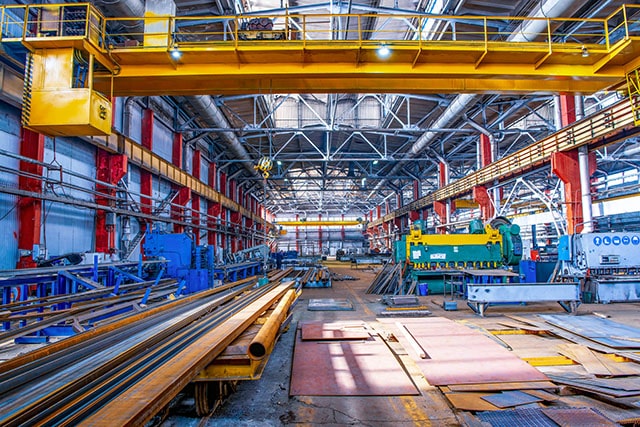
However, it’s important for companies to commit to a long-term growth strategy. It’s rare for foreign manufacturers to return and try again if their initial production attempt fails.
Fortunately, Mexico shelter manufacturing offers both long-term and short-term benefits to consider, though to ensure a seamless transition, partnering with a shelter company is the best way to go.
A long-term mindset is necessary to be a strong presence in the market. Mexico provides an excellent opportunity for U.S. and other foreign manufacturers who want to diversify their portfolios and stay close to an American audience. Additional advantages include:
Nearshore manufacturing in Mexico offers several cost-saving benefits, including reduced labor and transportation fees. Manufacturers can also get products to the U.S. market quicker, helping them to stay competitive.
Furthermore, when working with a Mexico shelter company, there’s an infrastructure in place that allows manufacturers to save on permits and license fees, as well as administrative department setup and management.
America is experiencing a shortage of skilled workers qualified for the growing number of manufacturing roles needed. Meanwhile, it’s difficult to oversee the production quality of workers in China.
Alternatively, the steady availability of Mexico’s technical talent has continued to support the growth of global manufacturers across all sectors and job types. Plus, the proximity to the U.S. provides travel convenience for project manager oversight.
Mexico maintains 12 multilateral trade agreements providing preferential trade access with 44 countries. This includes the USMCA, which favors trade between the United States, Mexico, and Canada and institutes requirements regarding original content and intellectual property protection within the trade bloc.
By diversifying a manufacturing portfolio, it reduces the risk of maintaining sole reliance on one production area. Though many manufacturers are moving operations from China to Mexico, others are actively operating in multiple countries to stay agile and competitive.
Though long-term, Mexico shelter manufacturing is a smart investment, there are many short-term benefits manufacturers can experience right away. These are:
The proximity between the U.S. and Mexico allows for shorter wait times compared to China. In some cases, same-day or next-day delivery is possible.
This time savings is further impactful when considering the extraneous transportation costs from China to the U.S., which counteracts any potential cost savings on labor that may apply.
As industrial space becomes more scarce and lease prices go up in the U.S., there’s a better chance of finding a competitive lease in Mexico.
As part of its site selection services, a Mexico shelter company can help narrow down plant options based on budget and production needs, and create a comparison matrix of buildings that will work best.
U.S. and other foreign manufacturers with IMMEX program approval and VAT certification avoid the 16% VAT on all temporarily imported goods, materials, and equipment required for production. Under the shelter model, this benefit is available on day one.
A Mexico shelter company handles all the administrative responsibilities a foreign manufacturing company needs to launch production. It’s the best short-term entry model, as it reduces risk and exposure to legal authorities, though it also has a long-term advantage.
Once there is a better understanding of how Mexico shelter manufacturing works, a shelter company can help manufacturers continue as a standalone entity.
Our team is here to support your short- and long-term production goals and help you experience a seamless transition. Jumpstart your manufacturing success in Mexico by exploring the benefits of working with IVEMSA.
There have been ongoing comparisons between the value of manufacturing in China vs. manufacturing in Mexico. Though each has its own advantages, the final decision isn’t always choosing one over the other but rather diversifying where to expand production.
Manufacturing in Mexico is cost-competitive, yet cost on its own isn’t always the deciding factor when choosing this option over China. The greatest advantage in expansion to Mexico vs. China is the reaction time to the U.S. market and the availability of Mexico shelter services.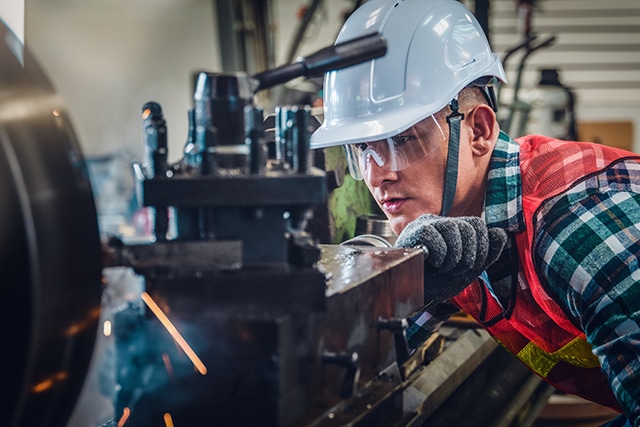
Mexico has a proximity advantage that China, nor any other Asian country, can’t compete with. For instance, even if manufacturing in Southeast Asia may be a cheaper place to produce goods, the supply chain is not as reliable for some industrial sectors, and the transportation time and expense overshadow any savings on labor when shipping to the North American market.
Depending on their audience, manufacturers may choose to launch factories in multiple regions, as China is still an attractive option. However, when addressing a U.S. market, specifically, nothing beats the benefits of Mexico manufacturing. Here’s why:
Overseeing production in China comes with a set of challenges that starts with a significant time difference and extensive travel from the U.S. Whereas, manufacturers headquartered in the U.S. can easily travel to their operations within a few hours and with fewer hurdles.
Due to the proximity between the U.S. and Mexico, shipping time and transportation costs are also greatly reduced compared to China manufacturing. This helps to reduce operational delays and allows companies to release products to the U.S. market faster.
Manufacturing in Mexico vs. China also expands the value to the U.S. economy. Most production materials are shipped from the U.S., which supports its suppliers and combines the infrastructure of the two countries. Plus, it provides the opportunity to employ workers who live in the U.S. as well as Mexico to fulfill the required job roles.
Moreover, the free trade agreement between the U.S., Mexico, and Canada (USMCA) has special requirements and incentives regarding regional value content to benefit North American countries. For example, 75% of a vehicle’s content must be made in North America to qualify for tax-free status, and there are established intellectual property protections that China doesn’t offer.
Manufacturers that choose to expand to Mexico have the unique option of partnering with a shelter company. This minimizes the risk and liability of operating in a foreign country for manufacturers since they will not establish a legal presence when operating under a shelter.
Additionally, setting up factories that manufacturers can easily visit and provide oversight is also part of a risk reduction strategy. When there are delays or problems that arise, U.S. manufacturers can travel to production sites in Mexico in a day versus the extensive time, cost, and planning it takes to travel to China.
Furthermore, a Mexico shelter company takes on all administrative responsibilities necessary to launch production so manufacturers can focus their efforts on production and processes. The support and services of a shelter’s local expertise reduce the learning curve and costs, advance start-up time, and allow companies to stay agile as they grow.
While there are still reasons why manufacturers maintain production in China, it makes sense for those targeting the U.S. market to consider expansion to Mexico. And, by choosing Mexico shelter services, manufacturers can experience a speedy and seamless transition and get up and running in three to four months.
Learn more about the benefits of manufacturing in Mexico and how our shelter company can help you be successful. Contact IVEMSA today.
Shelter services in Mexico have become a strategic advantage for U.S. and other foreign manufacturers wanting to leverage the full potential of nearshoring to Mexico. It’s encouraged global brands from various sectors – including automotive, aerospace, and medical device manufacturing – to continue increasing their foreign direct investment, making the U.S. the largest trading partner of Mexico.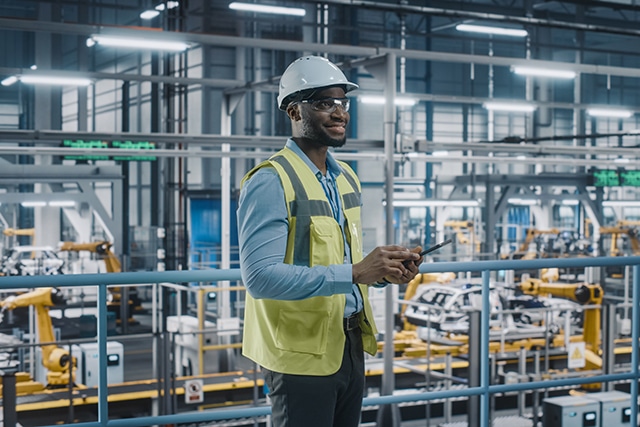
Mexico’s shelter program allows foreign companies to conduct business without the risk and liability of setting up their own entity. Therefore, with the support of a shelter company, manufacturers can seamlessly navigate Mexico manufacturing, enabling them to get their production up and running faster.
Additionally, there are several incentives, including tax benefits and duty-free zones, that a shelter company can help manufacturers secure. The availability of shelter services in Mexico has encouraged manufacturing growth over the years and continues to set up U.S. and other foreign manufacturers for success.
Here are key areas where shelter services in Mexico provide the most value:
Mexico wisely invests in its educational institutions and training programs to sustain a steady pool of technical, well-trained talent. This makes it an attractive option for U.S. and other foreign manufacturers seeking to fulfill various roles for production at a lower cost.
One of the primary benefits of implementing shelter services in Mexico is gaining the expertise and networking accessibility for recruiting and retaining industrial labor. Furthermore, manufacturers save on administrative costs necessary for the recruiting process, including HR, payroll, and accounting rather than having to hire these departments separately.
Mexico’s proximity to the U.S. market also makes it a strategic location for production. In addition to recruiting industrial labor, site selection is an essential part of shelter services in Mexico.
A shelter company like IVEMSA creates a site selection matrix which narrows down viable facilities and compares costs between locations. This helps manufacturers secure competitive space and continue with the next steps for production. IVEMSA is then responsible for leasing the facility and all necessary permits and licenses. This helps to expedite setup and achieve a production launch date in as little as three to four months.
Implementing shelter services in Mexico also reduces the learning curve for U.S. and other foreign manufacturers when navigating the complexity of Mexico’s laws and regulations. Plus, a shelter company helps manufacturers benefit from the unique tax advantages offered under Mexico’s IMMEX program.
Approval into the IMMEX program grants manufacturers a 16% VAT exemption for all temporarily imported materials needed for production. Since a shelter company maintains all required permits and licenses, including IMMEX certification, manufacturers working with a shelter automatically receive this benefit, resulting in significant cost savings.
A shelter company handles all administrative responsibilities, which include HR, accounting, daily trade operations, and payroll. Therefore, manufacturers can fully focus on production while also maintaining complete control and ownership over all processes and intellectual property rights.
Moreover, shelter services allow for flexibility to scale up or stop production as needed. Though IVEMSA maintains a 15-year average customer retention rate, manufacturers are free to establish a standalone entity at any time.
Operating in a foreign country comes with its own set of challenges. Therefore, working with a shelter company is the most popular option for U.S. manufacturers new to setting up operations in Mexico.
Learn how our shelter services can benefit you. Contact IVEMSA today.
For decades, American manufacturers have benefited from the low cost of industrial labor and the convenient location Mexico offers to expand their production and meet growth demands. Now, Mexico is also following suit with what the U.S. has imposed on China with regard to duties.
The Mexican government recently announced a modification to its import law with a temporary measure to raise tariffs anywhere from 5% to 50% for 544 HS codes. These trade classifications include steel, aluminum, plastics, and electrical materials, among others.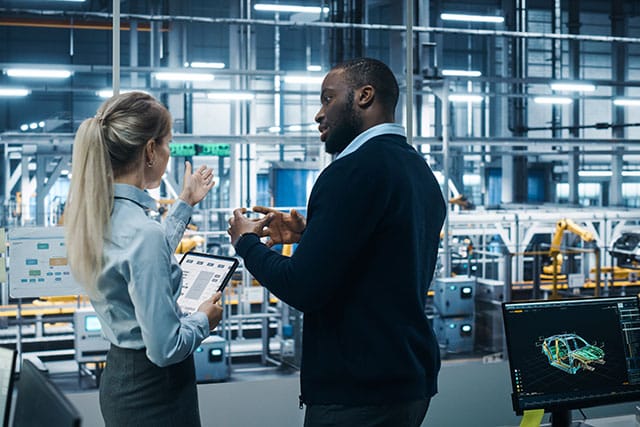
Enforcement of this increase began on April 23, 2024, and will remain in effect through April 23, 2026. Though this affects imports from non-free trade agreement (FTA) countries, including China, the increase in import duties will not apply to manufactured goods that comply with a certificate of origin due to the USMCA agreement. This benefit also applies to materials and goods coming from countries with free trade agreements with Mexico.
Rather, it further promotes Mexico’s alignment with the U.S. and Canada as part of the USMCA trade bloc. The USMCA allows American manufacturers to benefit from the elimination of tariffs on trade for qualifying goods between the three countries, further incentivizing American manufacturers to expand or relocate production from China to Mexico.
In addition to Mexico imposing additional tariffs for non-FTA countries, the U.S. has continued restricting trade with China, prompting many to move operations to Mexico, thereby helping to close the competitive gap.
China was once the preferred trade partner of the U.S. due to cheap labor costs. However, struggles with supply chains and inflated transportation expenses have caused U.S. manufacturers to consider nearshoring to Mexico instead.
The trade war between the U.S. and China has also gained new momentum. In 2022, due to national security concerns, the U.S. Department of Commerce barred American companies from shipping equipment to Chinese manufacturers producing advanced chips. Rather, the administration encouraged U.S. manufacturers to establish their own opportunities through the CHIPS and Science Act.
The CHIPS Act is intended to strengthen economic growth with investment in regional innovation throughout the country, to help ensure “what’s invented in America is made in America.” As the U.S. tightens up national security by restricting trade with China, it reveals the early stages of what will eventually be a more segregated trading bloc among North American countries.
Fortunately, with the availability of shelter manufacturing services, American operators can set up production in Mexico quickly and efficiently while also maintaining ownership over processes, equipment, and all intellectual property.
Shelter services in Mexico have been a cost-effective strategy for U.S. companies, especially those that no longer wish to partner with China for resources or manufacturing. With an expert team of advisors, a shelter can help American manufacturers set up operations in approximately three to four months compared to the six to seven months it takes to establish a standalone entity.
Shelter manufacturing services include all the administrative departments necessary to set up production in Mexico, such as HR, accounting, and trade compliance, among others. And, for manufacturers transitioning from China to Mexico, a shelter company like IVEMSA can assist with finding local resource partners and estimate the cost of what it will be to transfer production to Mexico.
The incentives of Mexico manufacturing continue to grow. American companies that wish to save money on operational expenses while maintaining the protection and benefits under the USMCA can rely on this opportunity as a long-term solution.
Sources:
https://www.trade.gov/market-intelligence/mexico-tax-and-tariff-increase-2024
https://www.reuters.com/technology/us-may-soon-unveil-list-chinese-chip-factories-barred-receiving-tech-2024-03-28/
There are vast differences between contract manufacturing and shelter manufacturing services, though the two terms are often used interchangeably. While both production models support operating in a foreign country, that’s where the similarities end.
At IVEMSA, we receive inquiries from companies of all sizes wondering which business model is the right fit. Though many are familiar with what contract manufacturing entails, the term “shelter” raises a few questions.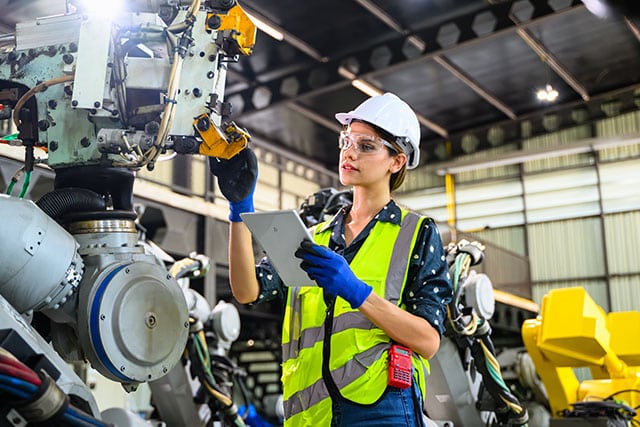
The shelter program allows U.S. and other foreign manufacturers to reap the benefits of operating in Mexico without the requirement of setting up their own legal entity. In this context, it’s not associated with a building or tax shelter but rather a way to do business that minimizes risk and liability.
As more U.S. and other foreign manufacturers consider moving production to Mexico, it’s valuable to understand the options available. To help navigate some of the differences between contract and shelter manufacturing, here’s an overview of frequently asked questions regarding each. Evaluate the pros and cons as you decide which direction is the best fit.
Contract manufacturing involves using a third-party operator to build products. Companies don’t have ownership or maintain quality control over the processes or products. Whereas, operating under a shelter can be viewed as the next step toward ownership.
With shelter manufacturing services, foreign companies run their own factories and processes and maintain ownership over all goods, materials, and intellectual property as it relates to production. Though many work under the shelter for several years, others eventually graduate from the program to become their own entity.
Another main difference is contract manufacturing charges per unit which can make it difficult to anticipate expenses as production scales up or down. Alternatively, a shelter company establishes a standard fee that allows companies to run their factories without touching profitability.
Therefore, shelter manufacturing services make the most sense for companies that are already well-versed in their processes yet seek administrative assistance to launch production in Mexico. This is especially important for those manufacturing in Mexico for the first time. Having the expertise and experience of a shelter reduces the learning curve and minimizes the risk and liability of operating in a foreign country.
Yes. Shelter services in Mexico were first established as part of the IMMEX maquiladora program in the 1960s. Though manufacturers that are approved for the IMMEX program can choose to operate as a standalone entity, the majority opt for shelter services to help them get their operations up and running more quickly.
U.S. and other foreign manufacturers that implement shelter manufacturing services avoid legal exposure to Mexico’s authorities. There is also significant cost savings on labor, infrastructure, and permitting, as well as the flexibility to adjust to changes in production.
These benefits are not available through contract manufacturing, and companies face a greater risk of project delays and lower quality for their products. Though this option could be valuable for those with consistent processes for low-mix high-volume production, it’s not the typical route chosen.
IVEMSA is a shelter services provider. However, the team can assist manufacturers in determining the optimal business model for their needs. If contract manufacturing is the solution, IVEMSA can refer companies to local contract manufacturing representatives.
There are various options to choose from when moving production to Mexico. Find out whether contract or shelter manufacturing services will be the most beneficial for your business.